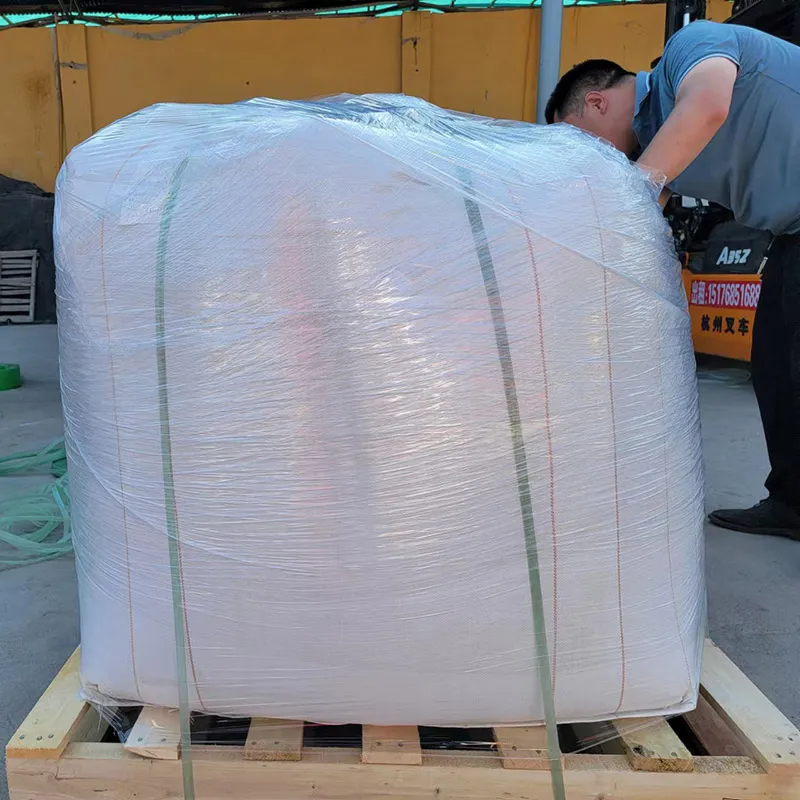
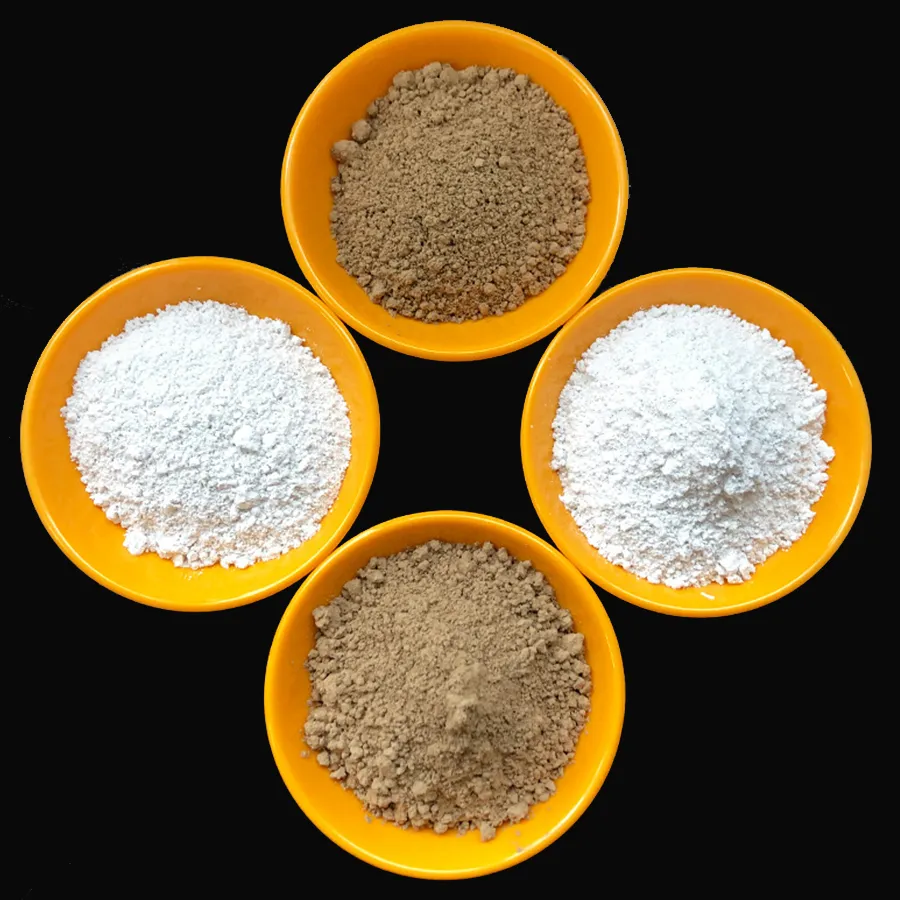
Color-rich mineral granules for modern surfaces and landscapes If you work with aggregates, you’ve probably heard whispers about Color Stone coming out of Lubai Mountain Village, South Yanchuan, Lingshou County, Shijiazhuang, Hebei. It’s been popping up in resin-bound pavements, terrazzo, even rooftops. To be honest, I was skeptical—until I walked a newly laid plaza in early spring rain and noticed how consistently the color held up under glare and moisture. That matters more than the brochure photos. What it is and where it fits Color Stone is a multicolor, natural mineral granule—form: granule—graded in 3–5 mm, 5–8 mm, 6–9 mm, and 8–12 mm. Contractors use it for resin-bound and resin-bonded systems, landscaping beds, architectural concrete toppings, terrazzo matrices, and decorative roofing. Many customers say the mix of hues looks “alive,” not flat—likely because the mineralogy varies stone to stone, giving you those subtle undertones designers chase. Industry trend check Demand for low-maintenance, permeable, and visually warm surfaces is rising—municipal specs increasingly point to resin-bound gravel for plazas and pathways. In fact, procurement teams now request traceability and abrasion data up front, not as an afterthought. Color Stone has leaned into that: graded consistency and test sheets aligned with ASTM/EN norms are becoming standard in bids. Product specs (typical, real-world may vary) Parameter Spec / Value (≈) Notes Available sizes 3–5 mm, 5–8 mm, 6–9 mm, 8–12 mm Custom blends on request Bulk density (loose) ≈ 1.55–1.70 t/m³ For logistics planning Water absorption ≈ 0.2–0.7% ASTM C97 / EN 13755 LA Abrasion (AAV) ≈ 18–24% ASTM C131/C535; lower is better Hardness Mohs ≈ 6–7 Silicate-rich mineral mix Form / Color Granule / Multicolor Natural tones; batch variation small Process flow and QC Origin quarry: Lubai Mountain Village. Steps: selective mining → primary crushing → multi-stage screening → washing and drying → color/gradation verification → anti-dust conditioning → packaging (25 kg bags or ≈1 t big-bags). Testing: sieve analysis (ASTM C136), abrasion (ASTM C131/C535), water absorption (ASTM C97), frost resistance (EN 1367-1), and harmful fines (EN 933-series). Service life: around 10–20 years outdoors in landscaping; 7–12 years in high-traffic resin-bound paths, depending on binder and sub-base. Applications and advantages Resin-bound/permeable pavements for plazas, campuses, parks. Terrazzo and epoxy flooring with multitone depth (nice in lobbies). Architectural concrete toppings and garden paths. Roof granules and façade accents where UV stability matters. Advantages people keep noting: color stability, clean gradation, and fewer dusty fines. One installer told me, “The bag-to-bag consistency saves us an hour per pour.” Not scientific, but it tracks with the wash/dry step. Vendor snapshot (quick compare) Vendor Traceable Origin Certs Lead Time Custom Blends Color Stone (Baifeng) Lubai Mountain, Hebei ISO 9001/14001, CE support ≈ 7–15 days Yes (size/color mix) Generic Trader A Mixed sources Basic COA ≈ 15–30 days Limited Regional Quarry B Local quarry ISO 9001 (var.) ≈ 10–20 days Yes (MOQ applies) Customization and logistics Options: color-matched blends, tighter gradation bands for terrazzo, low-moisture packaging for epoxy work, and anti-skid mixes. Typical pack: 25 kg PE-lined bags or ≈1,000–1,250 kg FIBCs, palletized, with moisture guards. MOQ often around 10–20 tons depending on mix. Export docs include MSDS, COA, and, if needed, REACH SVHC statement. Field notes and mini case studies Municipal walkway, Shijiazhuang: resin-bound Color Stone , 5–8 mm. After one winter, raveling was negligible; skid resistance (pendulum test) stayed within spec. Hotel courtyard, Zhejiang: terrazzo blend using 3–5 mm Color Stone . Designer praised the “warm multitone” look; maintenance team noted easy cleaning. Certification-wise, batches can be supplied with ISO 9001/14001 docs, granulometry per ASTM C136, and abrasion per ASTM C131/C535. For EU jobs, ask for EN 12620/EN 13043 alignment where applicable. Practical tips - Pre-dry Color Stone before epoxy or PU binding (target moisture ≤ 0.5%). - Mock up color blends in natural light; indoor LEDs fool the eye. - Verify fine content and dust—too much kills bond strength. Citations ASTM C136/C136M – Sieve Analysis of Fine and Coarse Aggregates. ASTM C131/C535 – Resistance to Degradation of Small/Coarse Aggregate by Abrasion (LA Machine). ASTM C97/C97M – Absorption and Bulk Specific Gravity of Dimension Stone. EN 1367-1 – Tests for thermal and weathering properties of aggregates; Freeze–thaw.